The most recognisable first-time visitor at the Cannes Yachting Festival is not standing on a yacht. He is halfway through the Vieux Port, three hours into the day, looking at everything and no longer seeing anything. I meet people like this every year. They have booked three days, made no appointments and assumed that, having travelled all the way to Cannes, they should see it all.
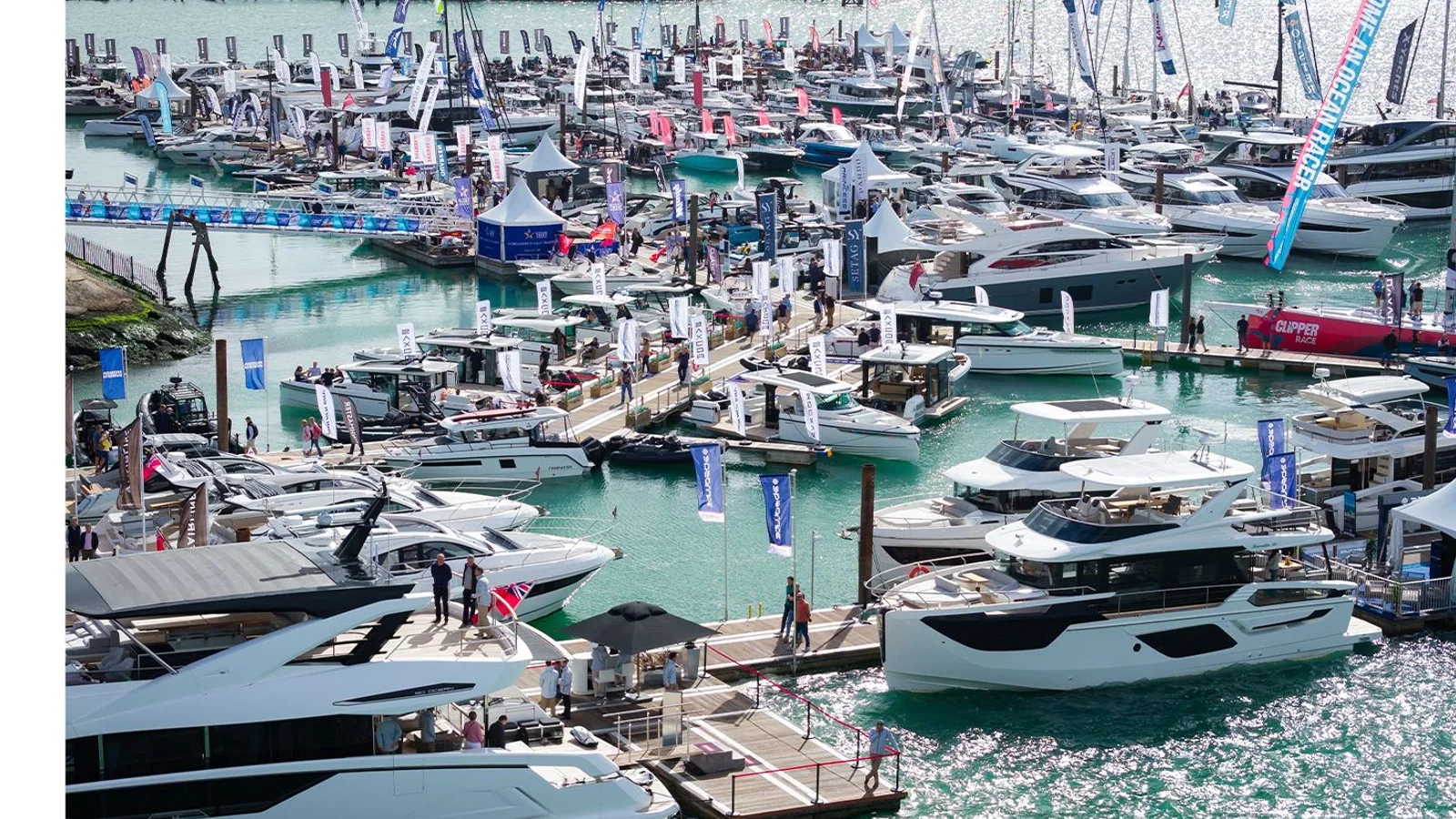
The 2026 festival runs for six days, from Tuesday 8 to Sunday 13 September, across two harbours. The organiser expects more than 710 boats and yachts, over 680 exhibitors and 56,600 visitors. This is not a conventional exhibition where you walk every aisle and leave with a bag of brochures. It is a floating sales floor on a city scale. A poor plan can remove half the value of the trip before you step on board your first yacht.
I attend Cannes professionally every year, and I see the same first-time mistakes every year. Almost none are caused by a lack of money or yacht knowledge. They happen because nobody explained how the show is built and how differently it should be approached from an ordinary trade fair.
What follows is the guide I would have wanted before my first visit. Some of it is inconvenient advice for a broker to give: I do not recommend a third show day, I do not recommend automatically upgrading the ticket, and I will explain why some visitors do not need to pay for admission at all.
Two harbours, not one
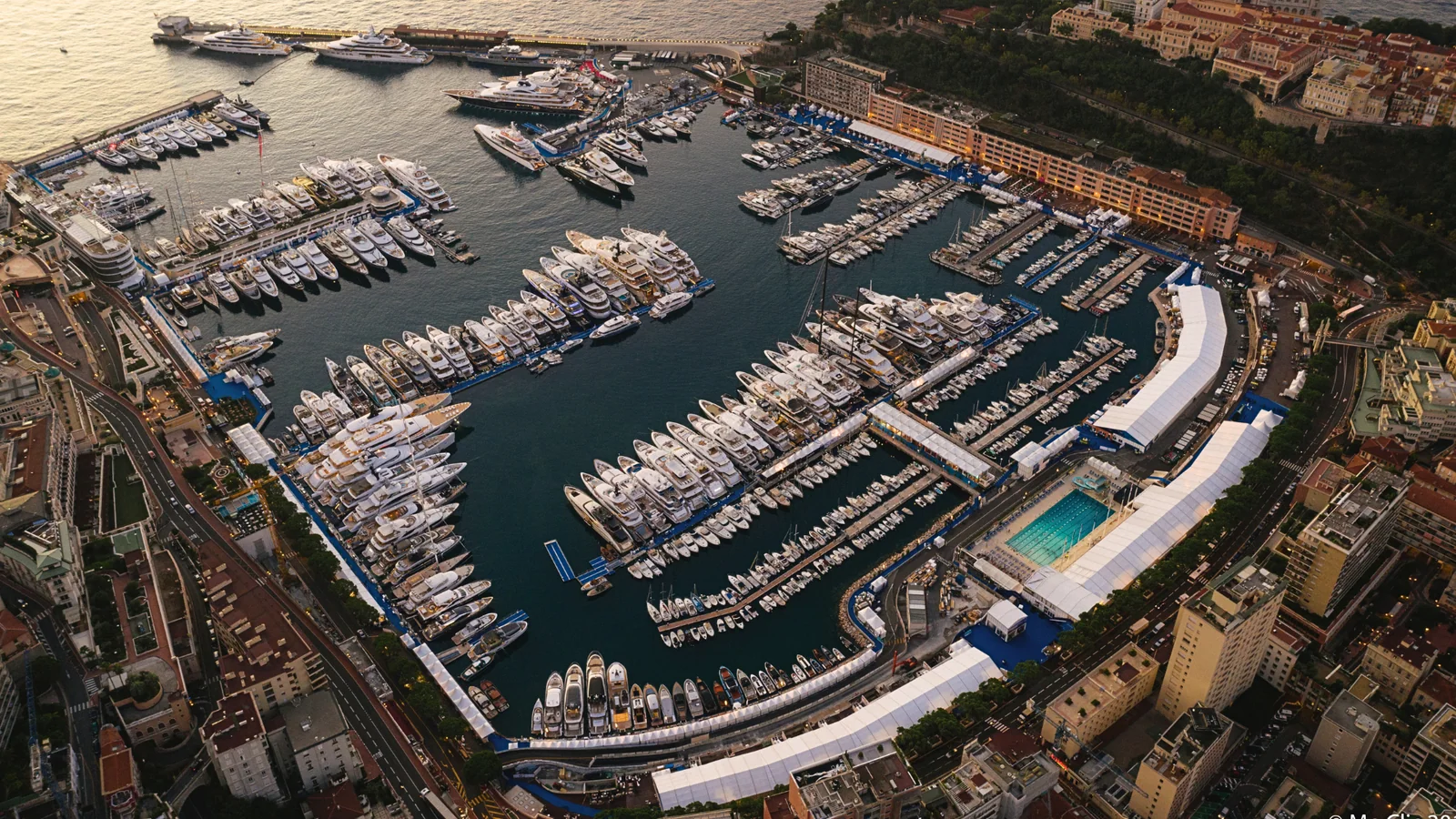
The first surprise is geography. Cannes Yachting Festival is divided between the Vieux Port beside the Palais des Festivals and Port Canto, further east along the Croisette.
Vieux Port is the heart of the motor-yacht display. The organiser expects more than 350 boats there, broadly from 12 to 50 metres, together with power catamarans, RIBs, tenders, equipment and services. If you are looking for a larger motor yacht, this is where most of your working day will be spent.
Port Canto should not, however, be dismissed as the “sailing harbour”. It contains the main sailing area, but it also includes the Power Boat Marina for smaller motor boats, the Yacht Brokerage area for pre-owned yachts and the Toys section. A motor-yacht buyer may have very specific reasons to visit it.
One general-admission ticket covers both harbours. Public sea shuttles are included and are scheduled to run approximately every 15 minutes. The crossing is pleasant, but walking to the shuttle, waiting and finding the correct entrance at the other end can break a tightly planned day. Check where your shortlisted yachts are located before dividing your diary between the two sites.
Friday is not like any other day
Opening hours shape the entire visit, yet many people do not check them before booking flights.
From Tuesday to Thursday, the show is open from 10:00 to 19:00. On Friday it remains open until 22:00. Saturday returns to a 19:00 finish, while Sunday closes earlier at 18:00. That final hour matters when you are matching the show to a late flight or trying to fit in one final appointment.
Friday evening is a different event. Yacht interiors glow in warm light, the water turns black between the pontoons and the boats finally look as they will during a real evening at anchor. Exhibitors hold small gatherings, music replaces some of the daytime noise and conversations are often more relaxed.
There is also a practical reason to stay. This is the best opportunity to inspect an operating scenario that a brochure cannot show: whether the lighting feels calm or theatrical, whether the glass reflects the entire interior at night, whether deck circulation remains safe under mood lighting and whether the saloon becomes a brightly lit aquarium. A yacht is not bought only for midday viewing.
If you choose one evening at the show, choose Friday.
Avoid the weekend if you are serious about buying
The six show days do not offer equal value. Saturday and Sunday bring the biggest public crowds. Queues grow around popular premieres and the teams at the stands are managing continuous traffic. Wednesday and Thursday are different. It is easier to sit down, ask technical questions and return to something that deserves a second look.
The same yacht and the same salesperson can produce a very different conversation when nobody is watching a line of visitors forming behind you.
If your aim is to enjoy the atmosphere and take photographs, the weekend can still work. If you want to compare engineering, discuss price and delivery, or understand the warranty and service network, go during the working week. Keep Saturday evening free for a different reason, which I will come to later.
Tickets, prices and the invitation people forget to request
Ticketing for 2026 is entirely online. There are no ticket desks at the entrances. You can buy on your phone outside the gate, but standing in the sun with a credit card and a queue behind you is a poor way to begin. Buy beforehand if you need to buy at all.
At the time of publication, a standard one-day ticket is €40. Two days cost €65. A one-day family ticket for two adults and two teenagers aged 11 to 18 is €120, while children up to the age of ten enter free. The €120 Comfort ticket adds access through VIP entrances and use of the VIP sea shuttles. Full VIP programmes cost considerably more and may include clubs, concierge support and selected services that require advance booking.
For a first two-day visit, general admission is usually enough. It includes both harbours and the public sea shuttles. A more expensive ticket can remove some friction, but it does not automatically secure meaningful access to a particular yacht. Boarding remains at the exhibitor’s discretion, and the best appointments are arranged before arrival.
There is another option. Brokers and brand dealers receive allocations of client invitations. If you have a genuine appointment to inspect a yacht, ask whether an invitation is available before paying. This is a normal part of their show operation, not a special favour.
Admission is also the smallest benefit of making contact early. Access to the right people — and protected time on board — is worth far more than the ticket.
Fly into Nice, but choose the arrival time first
Nice Côte d’Azur is the practical airport for Cannes. It sits around 30 kilometres away, and the show organiser gives an indicative taxi journey of roughly 30 minutes. Traffic during the festival does not always respect that estimate.
Direct routes from Poland and other European markets can be seasonal, and schedules change. The principle remains the same wherever you start: compare arrival times before comparing a small difference in fares.
An evening arrival eliminates the entire first day. You reach the hotel, eat and sleep. A morning arrival can put you on the pontoons around midday. On a two-day plan, half a day represents a quarter of all available show time. Few booking decisions deliver as much value for so little additional cost.
I would not choose Marseille or Genoa solely because the airfare looks cheaper. The onward journey can consume two, three or four hours. Measure the trip from your front door to the entrance of the festival. Your time in Cannes is usually worth more than a superficial saving on the flight.
Fares for show week move quickly. Book early, but pay attention to change conditions. One rescheduled flight can destroy a diary of yacht visits that took weeks to arrange.
Transfers and hotels: pay for recovered time
A taxi from Nice airport to Cannes will often be around €85, although the fare and any evening or weekend supplements should be confirmed when booking. Bus and rail connections along the coast can be significantly cheaper. The right choice depends on arrival time, luggage and the number of people travelling.
Hotel location is the more important decision. Stay within walking distance of the show if possible. It does not have to be the grandest property in town; it needs to let you walk back after a full day. Cannes becomes congested during festival week, and your own feet are often the most reliable transport.
After kilometres of concrete and floating pontoons, nobody wants to wait for a car and spend another twenty minutes in traffic. You want to reach the room, remove your shoes and stop looking at yachts for a while.
Rooms for show week sell early and prices rise. The festival works with an official accommodation provider, but it is worth comparing direct hotel offers. A cheaper room on the edge of town can become expensive once transfers and lost hours are included.
Two days. No more than two
The question I hear most often is how many days to spend at the show. My answer has remained the same for years: two. No more than two.
Walking the pontoons and inspecting yachts is far more tiring than it appears in photographs. September on the Côte d’Azur still brings strong sun. Add kilometres of walking and a set of steps for every yacht. By the third day, everything begins to look similar and visitors struggle to remember where they saw a particular detail.
This is not a fitness problem. It is perceptual overload. After several hours, saloons, galleys, owner’s cabins and beach clubs merge into one composite product. The buyer stops comparing and begins responding to the most flattering lighting or the most confident salesperson.
A better plan is two days at the show and a third day to organise notes, hold one meeting away from the noise or simply spend normal time on the Riviera. You will see almost as much and remember far more.
Do not attempt to see everything. With a proper conversation, photographs, an engine-room visit and time to think, you will inspect several yachts a day, not dozens. Six useful visits are worth more than thirty five-minute walk-throughs.
If you are travelling as a couple
Not every couple experiences a yacht show in the same way. One person can remain on the pontoons for eight hours; the other has had enough after two. This is normal. A shared trip does not require shared enthusiasm every minute of the day.
Cannes makes compromise easy. The Croisette offers shops, cafés and hotels, with beach clubs on the other side of the road. The alternative to eight hours on the pontoons is not eight hours in a hotel room.
Agree on a specific meeting time and place. Spend half the day separately and meet for lunch. Nobody needs to be dragged from gangway to gangway. And before this is misread, I know several women who bring reluctant husbands to Cannes, not the other way around.
Registration at the gangway — and the business-card shortcut
Visitors do not board most yachts anonymously. The exhibitor may ask for your name, email address, phone number, company or purpose of the visit. Access is at the exhibitor’s discretion, and the most anticipated premieres may be appointment-only.
Arguing about registration rarely helps. You are being allowed onto an asset worth several million euros and the exhibitor wants to know who has boarded. The real problem is time. When several visitors are waiting, spelling a name and typing an email address slows the queue.
Bring business cards. You do not need to own a company. Name, email and phone number are enough. Handing over a card is quicker and more accurate than spelling a Polish name three times in a noisy marina. Thirty cards occupy almost no space and save more time than most people expect.
There is another practical limit: the organiser does not allow suitcases, travel bags or backpacks larger than approximately A3 size, around 40 × 30 centimetres. Do not come directly from the airport with a large suitcase and assume that it can be left at the entrance.
The single most important step: book appointments
Write to a broker or directly to the dealer representing the brands you want to see. Agree a specific time on a specific yacht. Someone can then meet you at the gangway, understand why you are there and arrange for the relevant product, service or commercial specialist to join the visit.
The difference is substantial. With no plan, you may see three random yachts and spend hours in queues. With a diary, you can inspect six properly, talk through the details and return to the two that matter. A few messages sent in August can almost double the productivity of the trip.
An appointment also changes the quality of the conversation. A visitor arriving from the queue is one of hundreds. A visitor in the diary, with a short brief already supplied, is a buyer with a defined project.
That brief should cover budget, intended purchase date, cruising area, number of cabins, operating pattern and comparison models. This is not about proving wealth. It allows the exhibitor to put someone on board who can answer the questions you actually have.
Prepare a comparison sheet before you arrive. If, for example, you are looking at high-volume production yachts, our Sunseeker Ocean 82 buyer analysis shows the type of specification, hotel-load and ownership-cost questions worth carrying onto the stand.
Shoes, socks and details that matter after eight hours
On many yachts, shoes are left at the gangway or covered, always according to the crew’s instructions. Six yachts mean removing and replacing footwear twelve times. Laced shoes quickly become a small but repetitive nuisance.
Wear loafers or another slip-on shoe. Bring decent socks as well, because much of the day may be spent walking around other people’s yachts in them, in front of sales teams, captains and other buyers.
Dress for comfort and heat. Sunglasses, water and one light layer for the evening are more useful than formal clothes. If you have a dinner or reception, it is better to return to the hotel and change than spend the entire working day dressed for the evening.
Take notes immediately. After every yacht, record three things: the strongest feature, the biggest concern and the unanswered question. By the fifth inspection, the photographs on your phone will otherwise stop matching the yacht in your memory.
Leave the show for lunch and save the afternoon
There are restaurants, bars and food outlets inside the festival. At lunchtime, everybody reaches them at once. You queue, eat quickly and remain inside the same environment that has been loading your senses for four hours.
My advice is to leave the show for lunch. Same-day re-entry is permitted, and Cannes has plenty of restaurants within walking distance. Reserve a table because the good ones fill quickly during festival week.
This is not only about food. It gives you an hour without yachts. Sit down, organise your notes and stop staring at glossy surfaces. When you return, you notice build quality, the safety of a side deck, rail placement and service access again. Without the break, the next boat becomes merely another interior.
The best moment of the week happens outside the show
The World Yachts Trophies gala is scheduled for Saturday 12 September, followed by the night-time Yachts Parade in front of Carlton Beach. Its organiser says that 25 yachts will be selected and more than 10,000 people are expected along the Croisette.
This is not part of the daytime festival ticket, but the view from the public promenade is available to everyone. After two days of seeing boats tied side by side, you finally watch them moving through the bay under their own lights.
You can reserve dinner at one of the beach restaurants, but the best tables are expensive, fixed menus are common for the evening and reservations disappear early. My preferred version is simpler: arrive near Carlton Beach for a drink and find a view without turning the parade into a three-hour, very expensive dinner. Access rules for private beaches should be confirmed directly with the venue.
If you remain in Cannes until Saturday, leave the evening free. Use the working week for serious conversations and Saturday night as the conclusion to the trip.
The plan in a few sentences
Buy the ticket online — but first ask your broker whether an invitation is available. Choose the flight for its arrival time, not only its price. Book a hotel within walking distance. Spend two show days in the middle of the week and include Friday evening if you want to see the yachts after dark. Arrange named yacht visits before arrival. Keep business cards in your pocket. Carry a small bag. Wear slip-on shoes and decent socks. Leave the show for lunch. Keep Saturday evening free for the parade.
Most importantly, do not go in blind. A broker can build the shortlist, book appointments, locate every yacht and explain differences that photographs will not reveal. In a typical brokerage transaction, a buyer’s broker is often compensated through a commission split with the selling side, but the scope of work and compensation terms should always be confirmed before an engagement begins.
If Cannes is part of a real purchase project, W Yachts can prepare the shortlist, appointment diary and model-specific questions. Going to look and going to buy are two entirely different trips. They should not share the same plan.
So the question is simple: which trip are you making?
Sources
- Cannes Yachting Festival 2026 — official website
- Cannes Yachting Festival — practical information
- Cannes Yachting Festival — visitor FAQ
- Cannes Yachting Festival 2026 — official ticketing
- Cannes Yachting Festival — Vieux Port
- Yachts Parade 2026 — World Yachts Trophies
- Cannes Yachting Festival — official 2026 logo