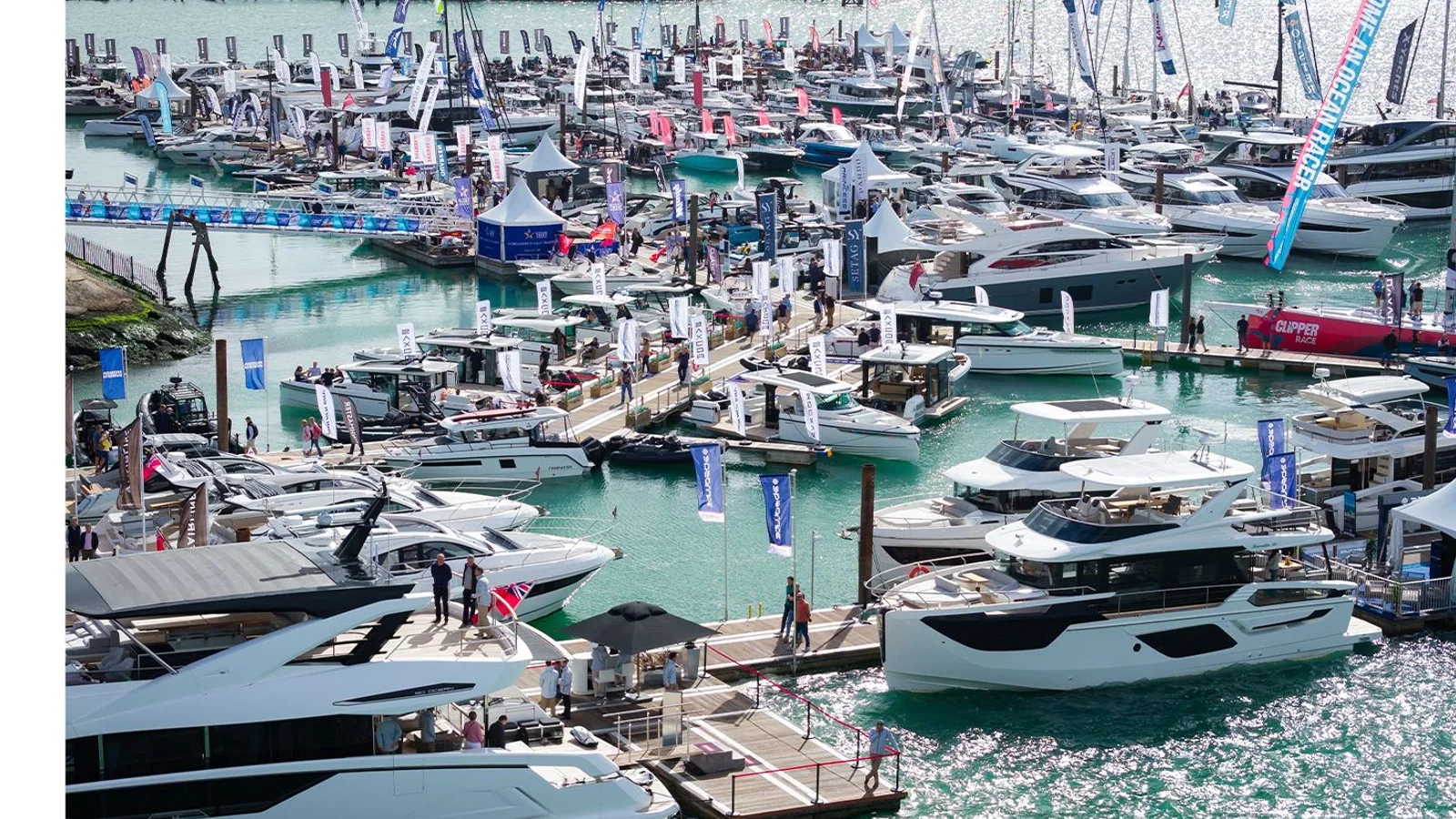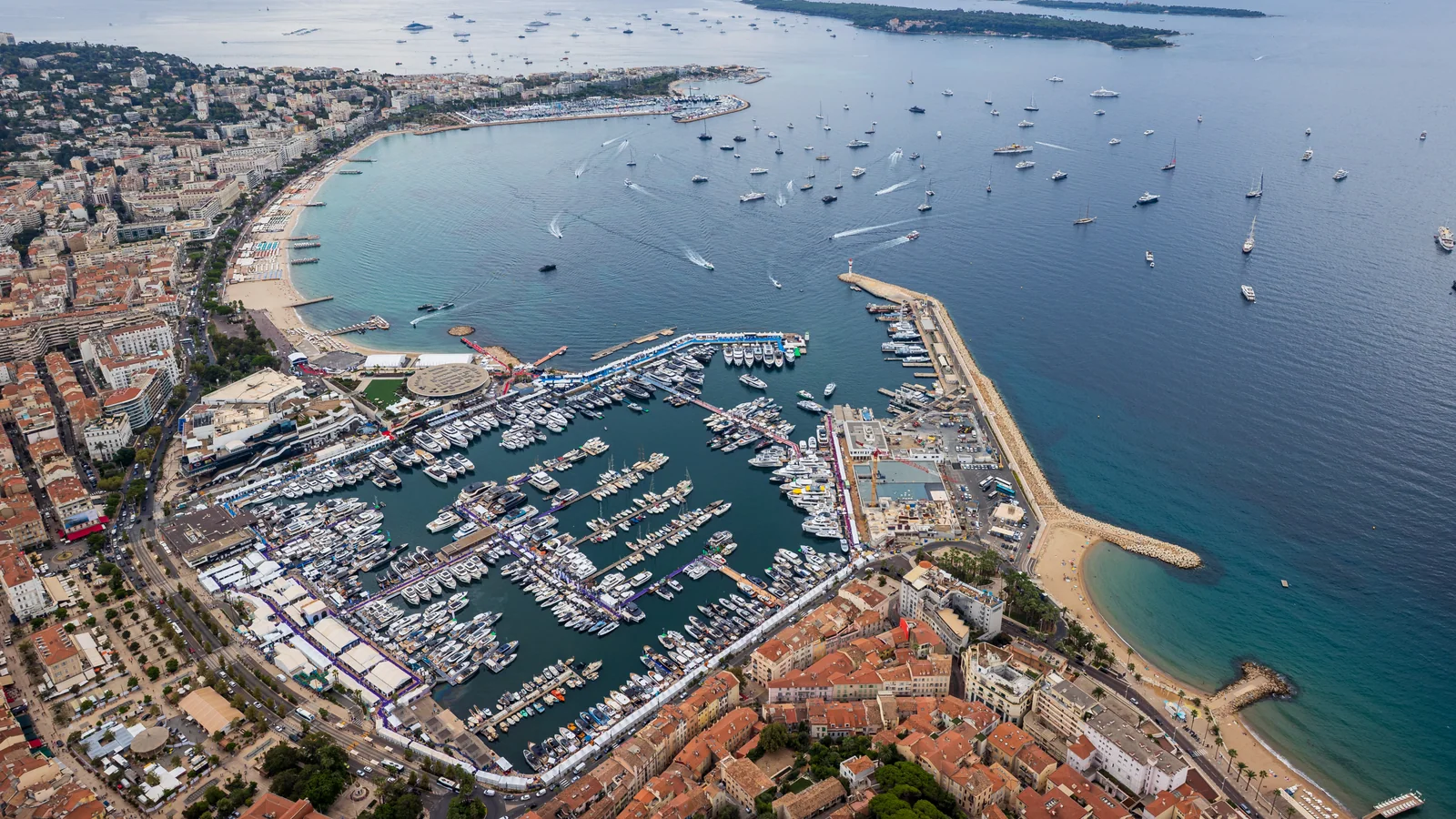
The Cannes Yachting Festival closed on Sunday, 13 September. After six days, the pontoons are emptying, stands are being dismantled and yachts are moving on to their next ports. The autumn show season, however, is only beginning to matter. The Monaco Yacht Show opens on 23 September, just eight days from now.
This is not simply a second edition of the same event. Cannes and Monaco sit next to each other in the calendar, but they answer different questions. Cannes is primarily about the product: series and semi-custom yachts, new deck layouts, propulsion packages, equipment and launches that can be compared along the same waterfront. Monaco exposes the infrastructure behind larger projects: capital, shipyard capacity, charter, management, refit and the existing brokerage fleet.
Cannes shows what shipyards want to sell. Monaco is much better at showing who has the money, capability and patience to deliver the project properly.
Cannes had no single star — and that was the interesting part
The official event website listed more than 680 exhibitors and over 710 boats and yachts between five and 55 metres. Pre-show communication also referred to approximately 150 world premieres. Those are large numbers, but for a buyer the distribution of the launches mattered more than the total.
No single model eclipsed the rest of the show. Attention was divided among yachts including the Custom Line Navetta 35, Sunreef Ultima 88, Riva 96’ Argo Super, Azimut Grande 44M, Sanlorenzo SHE, Princess X90, Pershing GTX90 and ISA Viper 130. A post-show selection published by Camper & Nicholsons similarly concentrated on twelve different debuts in roughly the 25-to-45-metre bracket. That captures the character of Cannes this year: not one spectacular exception, but a broad offensive of new platforms.
The shared direction was easy to see. Builders are trying to create more usable volume without simply adding metres to the overall length. Opening bulwarks, developed aft decks, larger glazing, main-deck owner’s suites and flybridges designed as genuine outdoor living decks are increasingly common. The claims sound similar in the brochures. Only a walk through the yacht reveals whether a layout genuinely improves circulation and privacy or merely photographs well.
From a broker’s perspective, that comparison is the real value of Cannes. In one day, a buyer can step aboard several competing yachts, inspect the crew quarters and engine room, check side-deck width and ask about actual production slots. A launch presentation with champagne lasts fifteen minutes. A sound purchase decision has to be built on the details that are missing from the first photograph.
The power catamaran is no longer a side category
The second strong signal from Cannes was the number and variety of power catamarans. The Sunreef Ultima 88, Lagoon EIGHTY 3, Bering BC60, OMAYA 50 and Aquila models do not address one type of customer. They include fast dayboats, family cruisers, explorer platforms and large luxury yachts.
That is a material change. Only a few years ago, the power catamaran was often treated mainly as a charter product or an option for an owner moving across from sail. It now competes directly with the conventional motor yacht. It can win on living space, stability at anchor and potentially lower power demand. It can lose very quickly on beam, berthing cost and marina availability.
I would therefore never buy the promise of “more space and lower fuel consumption” on its own. The finished displacement, propulsion package, cruising speed, draught, beam and the cost of berths in the owner’s actual cruising area all have to be compared. We examined the first Cannes market signals and the specific power-cat models in more detail after the opening two days.
Busy pontoons are not an order book
The atmosphere in Cannes was positive, launch presentations drew crowds and the organisation between the Vieux Port and Port Canto worked well. That should not be understated. A well-run show makes inspections and serious conversations easier, and Cannes remains the most important European opening of the sales season for many builders.
It should not be turned into an instant conclusion about the health of the entire market either. At the time of publication, there is no official consolidated total for contracts signed during this year’s show. Even if one were published, it would need explanation. “Sold at Cannes” might mean a contract signed on the stand, an earlier order announced alongside a premiere or a stock yacht that found a buyer after months of negotiation.
The real test starts after the show. Does interest become a paid deposit? Do delivery dates remain credible? Can the builder protect its margin without passing unexpected costs to the client during construction? And will the dealer and shipyard remain as responsive after technical acceptance as they were during the presentation?
A buyer should look beyond the number of sold hulls to the contract terms, warranty, service network and residual value. A launch becomes old news quickly. A well-built relationship with the yard and a sensibly specified yacht remain valuable much longer.
Monaco will move the conversation up a level
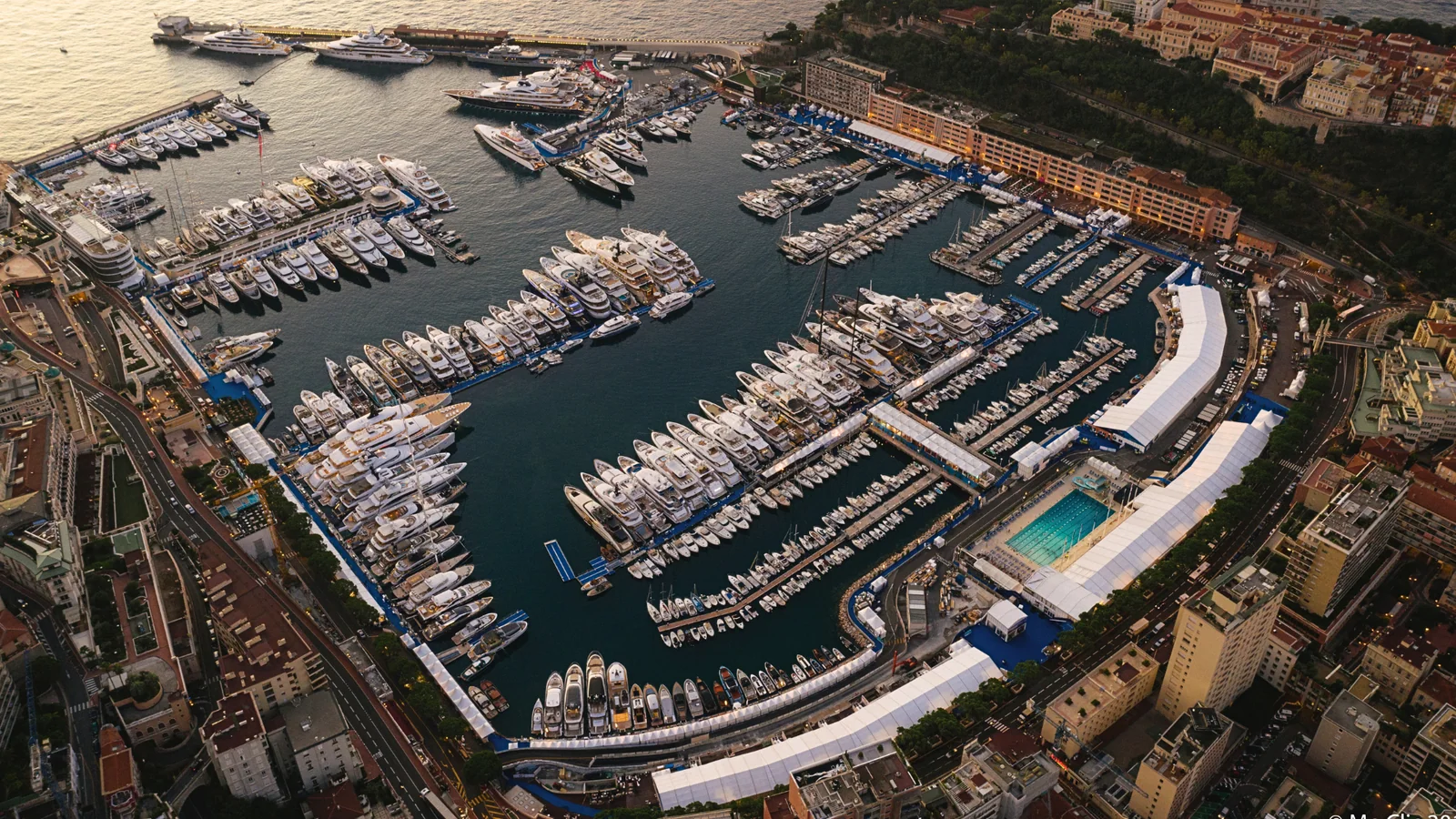
The Monaco Yacht Show runs from 23 to 26 September in Port Hercule. The organiser expects the fleet to reach 120 superyachts and more than 560 exhibitors. According to the official list, 43 yachts are 2026 deliveries. This is a very young fleet and therefore a useful view of what builders can deliver today, rather than what they promised in a rendering three years ago.
The list ranges from yachts of approximately 24 metres to the 102-metre Nixie. There is a dense group of new yachts between 30 and 60 metres, where semi-custom production, charter economics and private-owner requirements increasingly overlap. Official MYS material also shows Italian production leading the hull count. Citing the 2026 Global Order Book, the organiser states that Italian builders account for 52 per cent of global superyacht production by projects ordered or under construction.
Monaco is not only a new-build show. In the organiser’s announcement, 38 yachts on the then-confirmed list were being presented by brokerage and charter firms rather than shipyards. That group had an average length close to 49 metres and an average launch year of 2016. Buyers therefore see two markets side by side: new projects with long lead times and existing yachts that can be acquired sooner, but require detailed technical and legal due diligence.
The current Monaco Yacht Show list should be read as an inspection plan, not a catalogue of dreams. On yachts of this class, stepping aboard without a confirmed appointment may be impossible, and four days pass much faster than a map of Port Hercule suggests.
What we will be watching in Monaco
In Monaco, I am less interested in another statement about “revolutionary luxury”. Four practical questions matter much more.
First, the quality of new deliveries: finish, systems integration, service access and crew arrangements. Second, the actual availability of brokerage yachts and the gap between the asking price and the level at which an owner begins to negotiate seriously. Third, the financial health of shipyards and their ability to fund multi-year projects. Fourth, hybrid propulsion and energy management — not as labels, but as measurable effects on generator hours, range, displacement and maintenance cost.
Cannes gave the industry a convincing start to the autumn. It delivered a broad field of new yachts, further growth in power catamarans and proof that buyers still come to the pontoons. The next question is how much of that interest is supported by contracts, financing and production capacity.
That is why Cannes does not end this analysis with a full stop. It ends with a comma. The next important chapter begins in Monaco on 23 September, and RynekJachtow.pl will cover it from the perspective of the buyer, owner and broker — without confusing a launch with a successful yacht or a queue on the pontoon with a signed contract.
If you are building a shortlist before Monaco, the current supply can also be compared in the W Yachts European yacht database. Define the intended use and annual budget first; choose the shipyard name second.