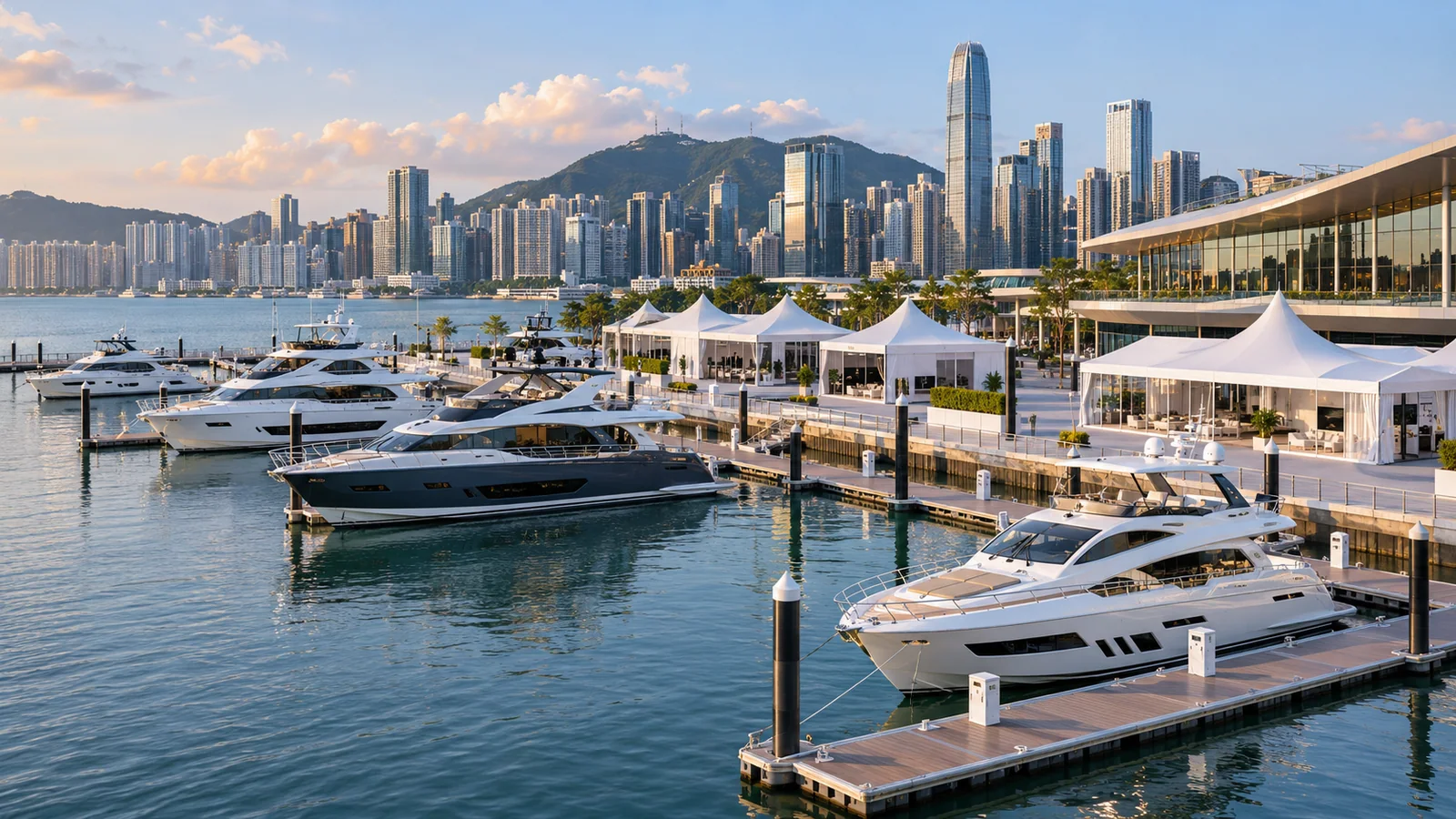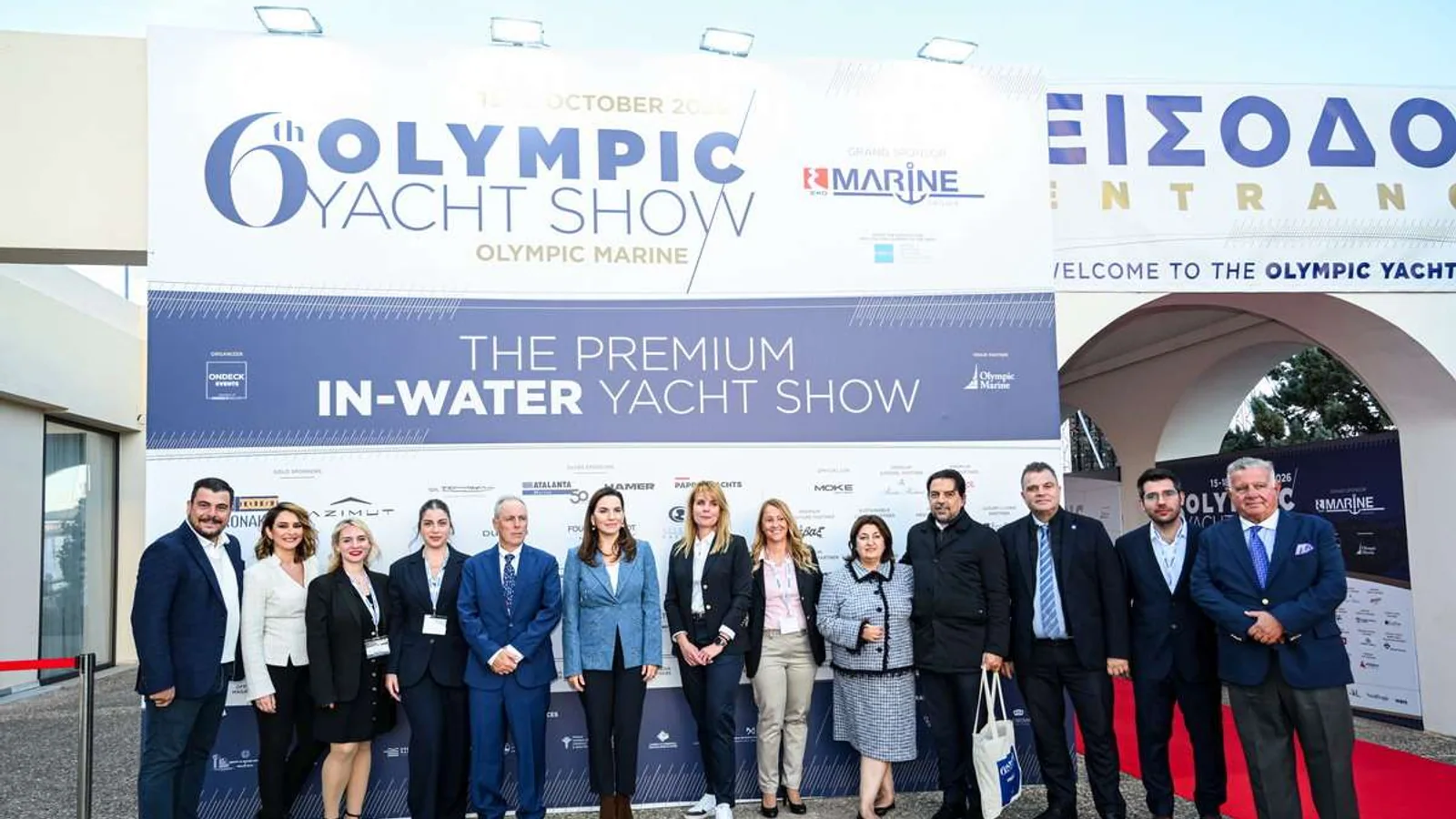
The sixth Olympic Yacht Show opened at Olympic Marine in Lavrio on 15 October and runs until 18 October. The organisers frame the event as a platform for Greek yachting and maritime tourism. For a prospective owner, its more useful role is practical: it is a chance to establish whether a brand has more than a sales representative in the region.
In September, the show said it expected more than 120 vessels over nine metres and more than 400 brands. That is a programme claim, not evidence of final attendance, sales or orders. The opening report contains no commercial results, so exhibitor and guest presence should not be recast as transactions.
Lavrio as a Support Test
Lavrio is relevant to an owner planning a Greek base or Cyclades cruising. A dealer conversation should begin with three questions: where warranty work is actually undertaken, what response time applies outside the season, and who takes responsibility once the yacht is delivered.
On board, the conversation should go beyond the saloon layout. Open service hatches, inspect access to filters and pumps, test sightlines from the helm and request a loaded sea trial. A boat show gives a buyer an unusually efficient setting for these questions: the dealer is present and a comparable model may be only a few berths away.
The useful result is not a reservation signed at a show table, but a comparison note covering configuration, timing, service scope and operating cost. That is evidence for a calm post-show discussion, rather than a first-day negotiating tool.
Contact Is Not a Contract
The opening is evidence of regional activity, not completed business. Attendance, launches and orders should be assessed only after the show and only when officially reported.
Our Genoa Boat Show follow-up explains why that distinction matters. A W Yachts client should use Lavrio to compare after-sales capability, not make a purchase under first-day show pressure.