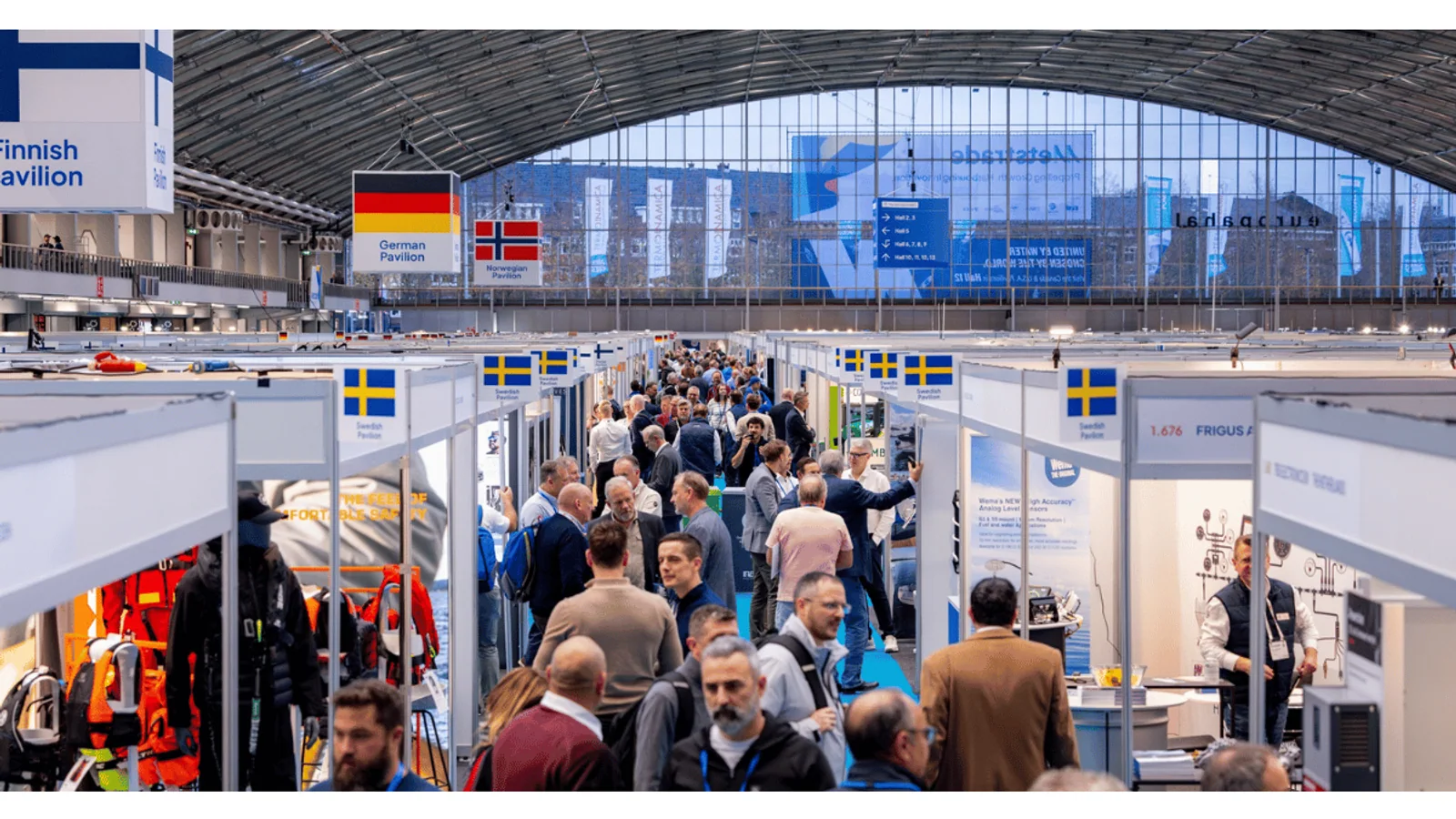
Metstrade has announced the content programme for its 2026 edition, which will take place at RAI Amsterdam from 17 to 19 November. For a yacht buyer, the timing matters because the organiser is framing the market as split between pressure in volume boating and resilience in parts of the premium segment.
In its 15 September release, Metstrade cites recent analysis from ICOMIA and Boats Group. According to that material, average new-boat prices are down 6.9 per cent year on year, while the 56-79ft yacht category shows 10.6 per cent volume growth. This is not a complete superyacht-market diagnosis, but it is a useful warning against one-line claims that the market is either simply rising or simply falling.
One Industry, Two Realities
A premium motor-yacht buyer is not competing with the entire recreational-boating market. They are competing for a specific build slot, service team, electronics package and after-sales relationship. If the volume market is under pressure, yards may fight harder on price in smaller craft. At the same time, the 17-24 metre segment may hold demand because owners want genuine cruising capability without stepping into the cost base of a large superyacht.
Metstrade’s programme is built around accessibility and talent, sustainability and emerging technologies. Groupe Beneteau chief executive Bruno Thivoyon is due to deliver the official opening keynote. That may sound like trade-show language, but the consequences for owners are practical. Labour shortages affect service dates. Technology affects system integration. Cost pressure affects what remains standard equipment and what becomes an option.
Supplier Shows Matter
Cannes shows finished boats. Metstrade shows the pieces that decide whether those boats will be pleasant to own: batteries, energy management, stabilisation, electronics, materials, fittings and service systems.
That is why the programme should be read alongside the autumn inspection calendar. After Cannes, we argued in our two-day market signal report that a busy pontoon is not the same thing as a signed contract. Metstrade adds the other half of that point: even a signed contract is not enough if the supply chain and technical architecture behind the yacht are weak.
In practice, buyers should ask yards and brokers the same questions Metstrade is putting on stage: who services the systems, how long parts remain available, whether propulsion and electronics are integrated, and whether a claimed innovation has value beyond the presentation. Those questions matter as much as length and cabin count when comparing yachts through W Yachts.