Grand Banks Yachts’ FY2026 annual report shows a builder coming out of a heavy investment phase. Revenue rose to S$173.2 million, up 6.7% year on year, while net profit after tax fell to S$13.4 million from S$18.2 million in FY2025. That is not automatically a warning sign. It does mean buyers should separate underlying demand from the cost of scaling the business.
The company attributes the revenue gain to accelerated construction of new boats. Profitability, however, was affected by new-boat margin pressure, foreign exchange and a higher operating cost base. Operating expenses increased from S$23.9 million to S$29.7 million, reflecting headcount, marketing, brokers’ commissions and a larger boat-show programme.
Reading The Order Book
The buyer-relevant figure is the net order book. At 30 June 2026, Grand Banks reported S$136.4 million, down from S$156.6 million a year earlier. New-boat order count fell to 18, but the company says average new-boat value was higher than in FY2025. That points more towards a mix shift into larger, higher-value yachts than a simple demand collapse.
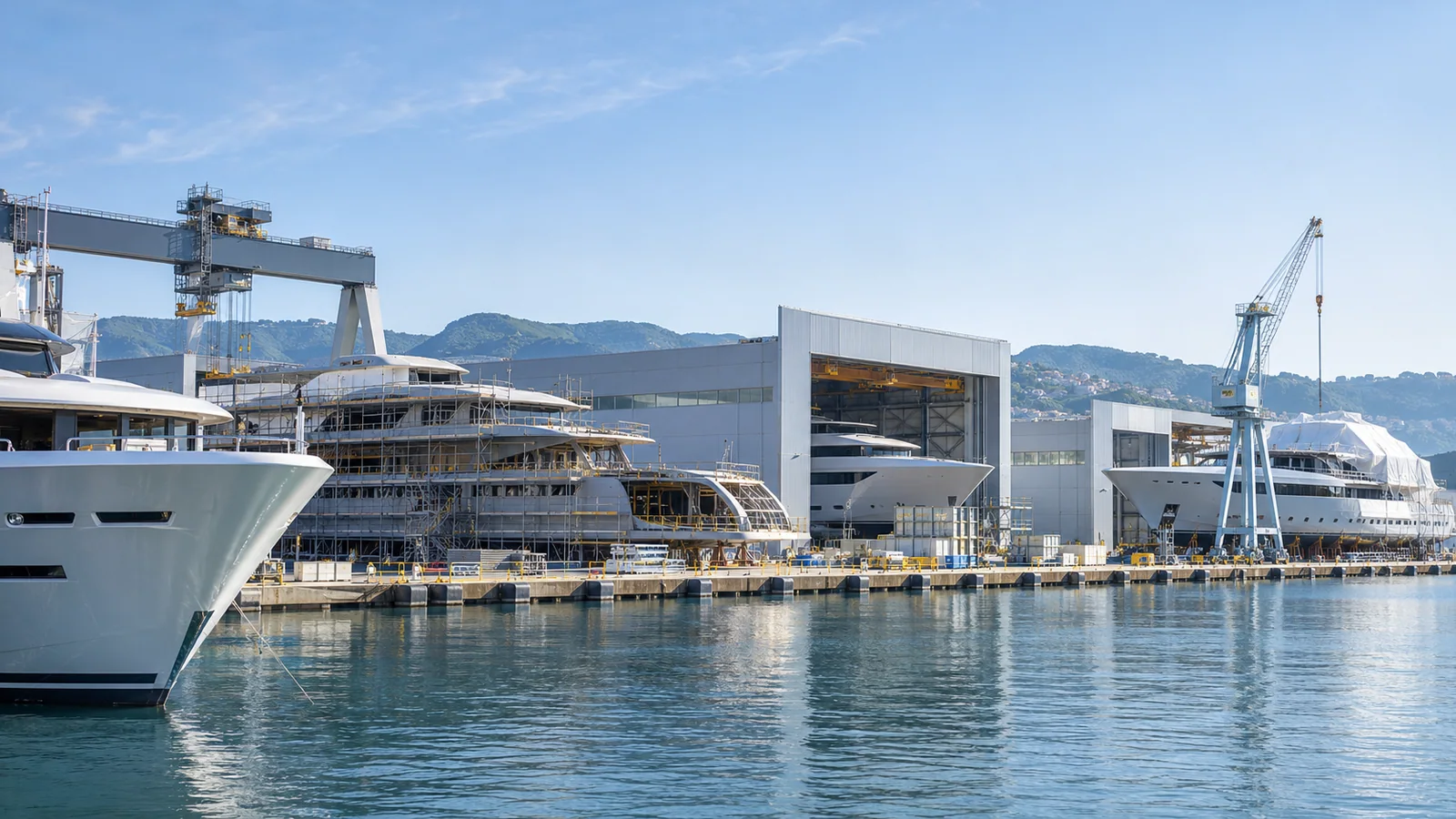
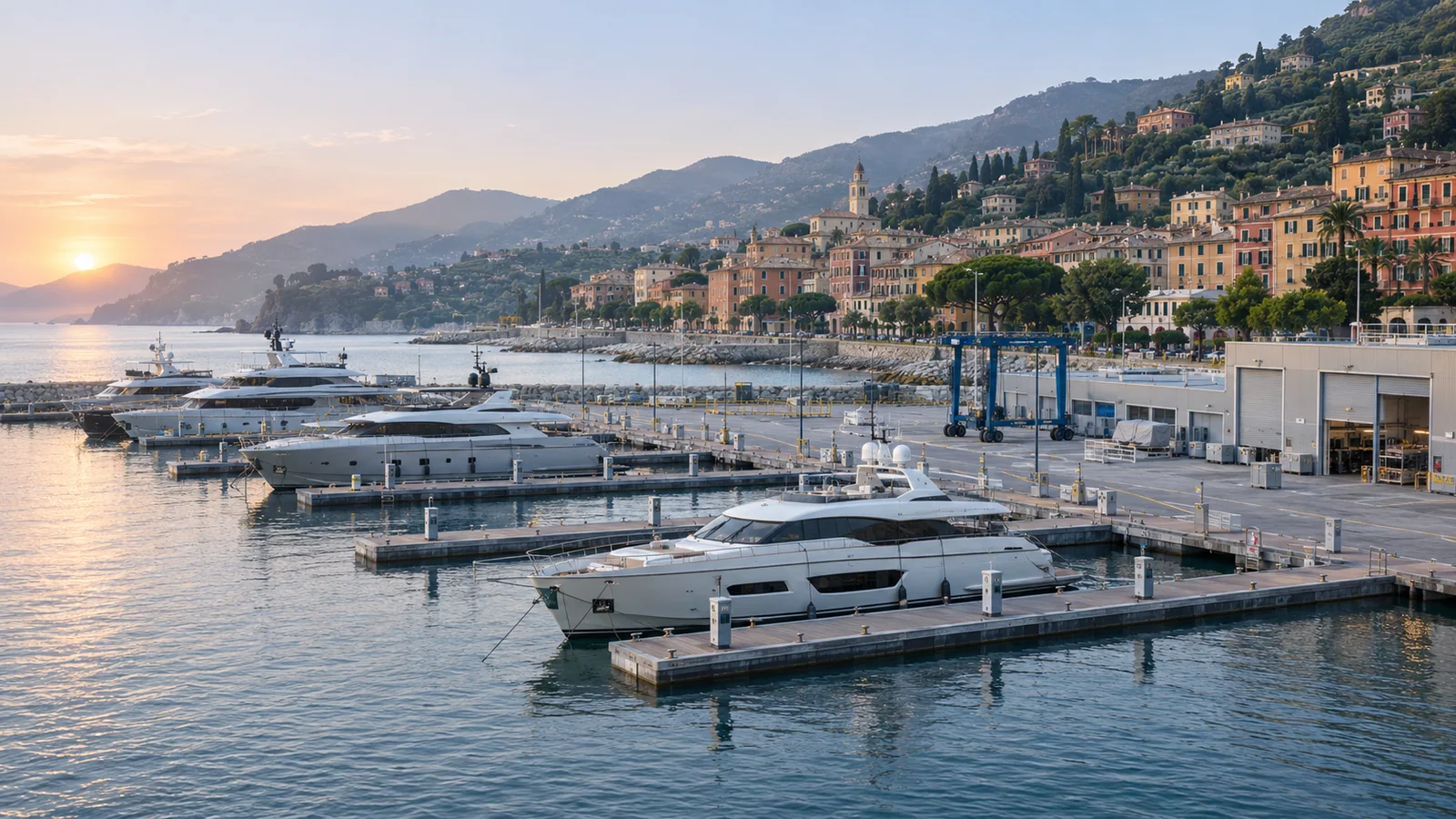
The report also shows where capital has gone: the Pasir Gudang manufacturing facility, Stuart in Florida, Newport in Rhode Island, a new California sales and service office and a European return through Sanremo. For larger owner-operated yachts, that support footprint can matter as much as a glossy model specification.
Contract Questions
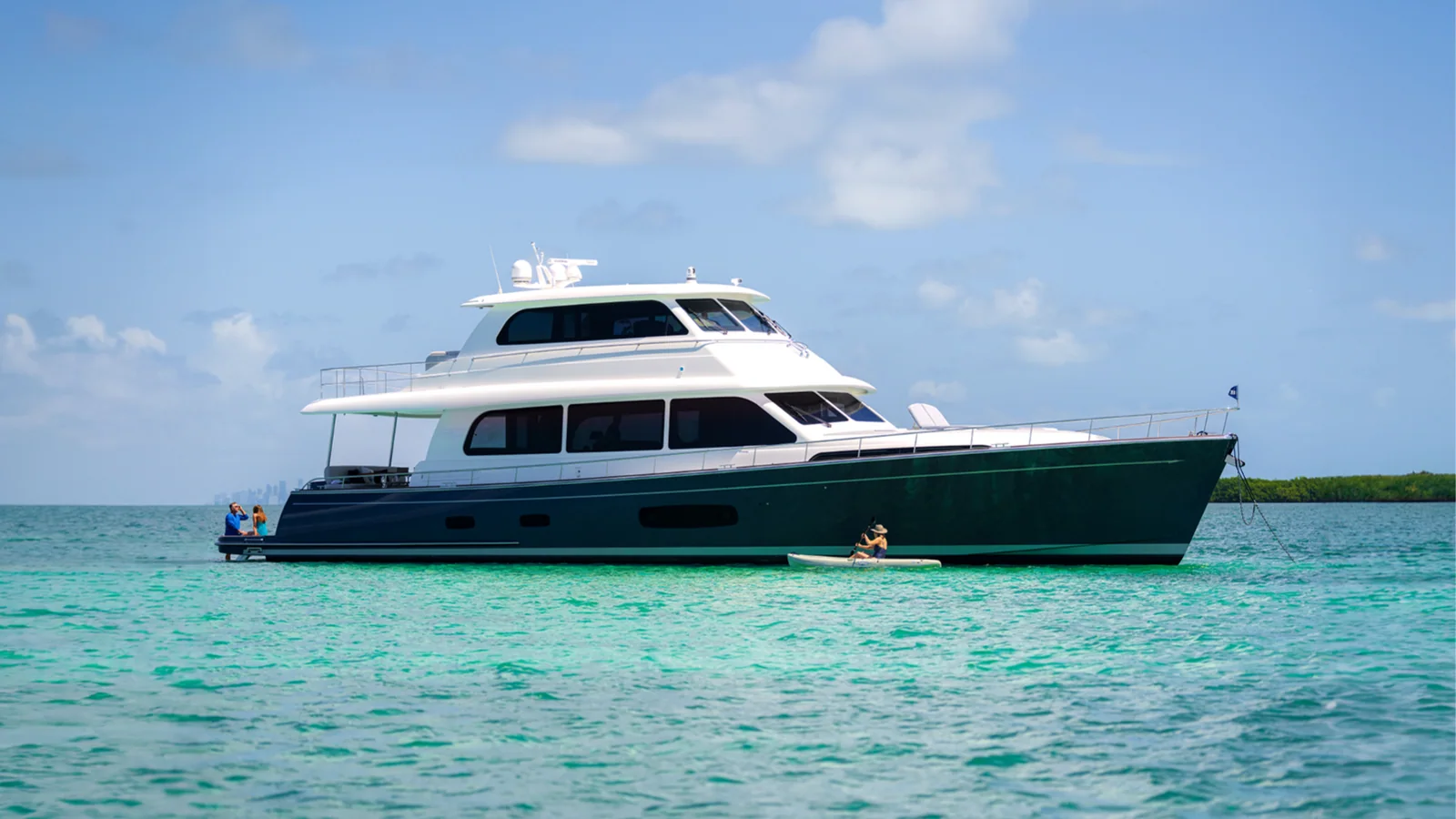
The Grand Banks 85 is a useful product reference: 26.58 metres overall, 6.75 metres of beam, a quoted 972 nautical miles of range at 21 knots and standard Volvo IPS 1350S power. Those figures should be read together with the builder’s financial position, delivery schedule, warranty terms and parts support.
Our recent piece on Bellini Nautica’s debt profile made the same broader point: a yard’s accounts are not abstract for an owner. A W Yachts client comparing a new-build slot with an available brokerage yacht should test currency exposure, milestone payments, warranty language, service geography and the real shape of the builder’s backlog.