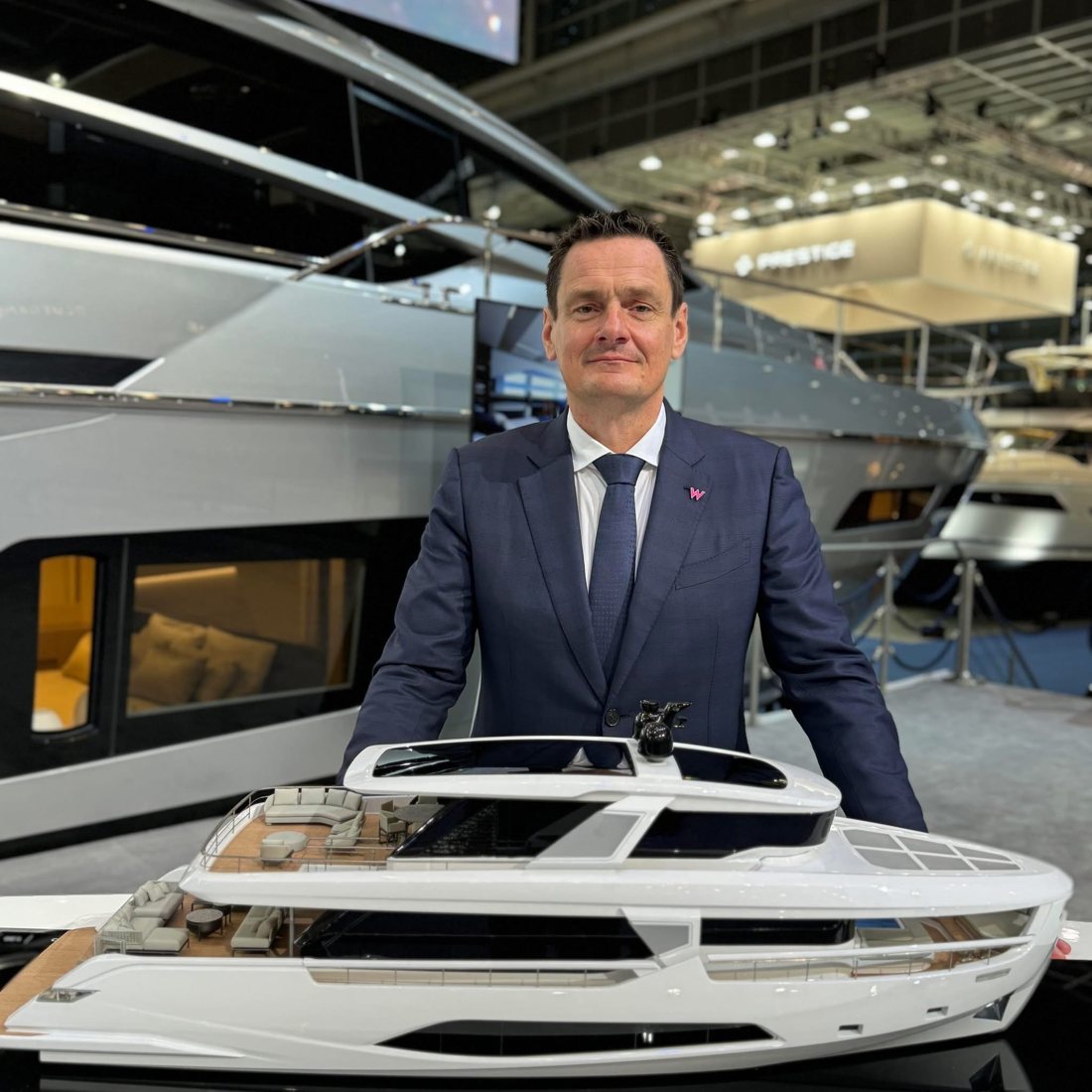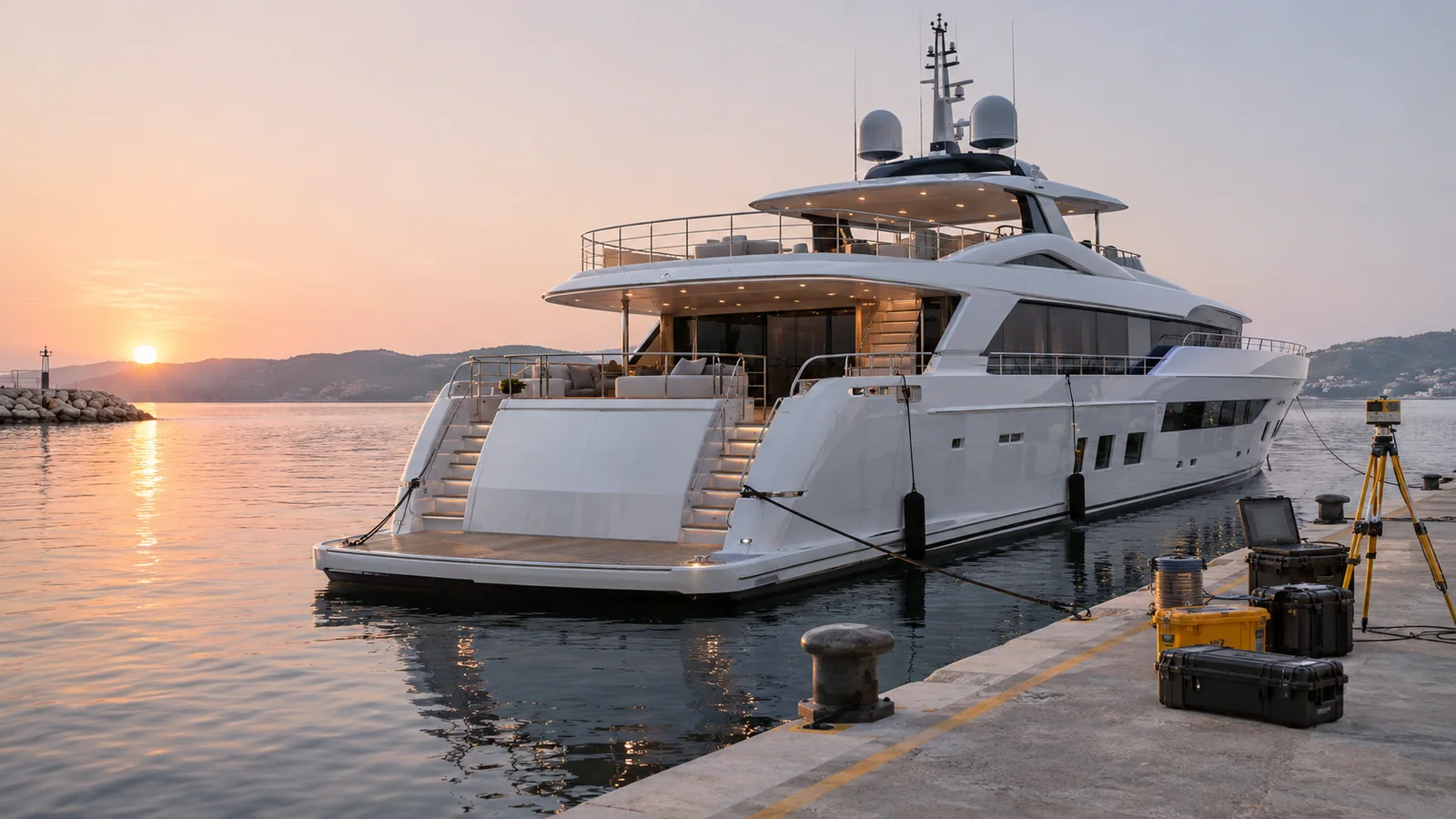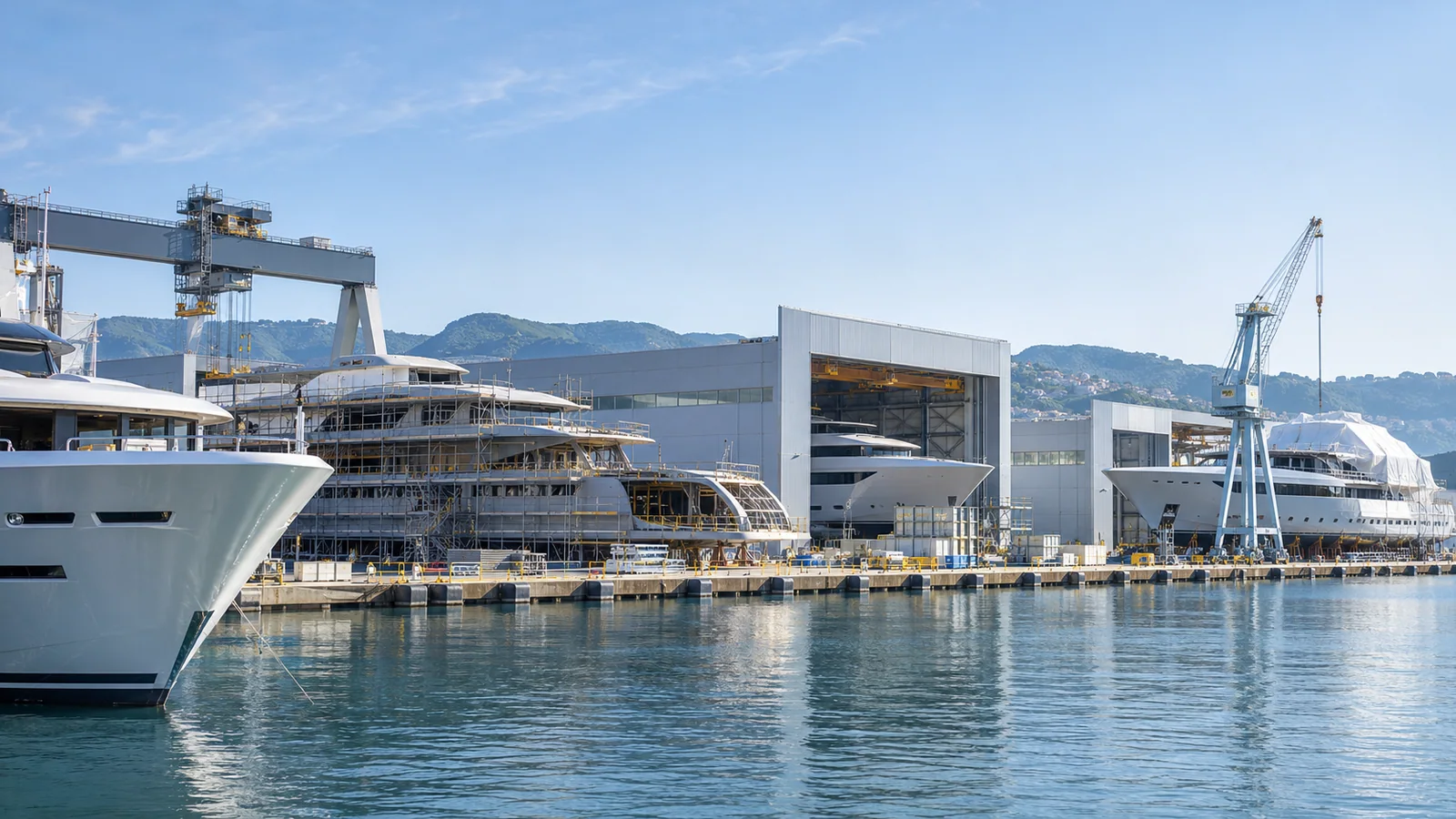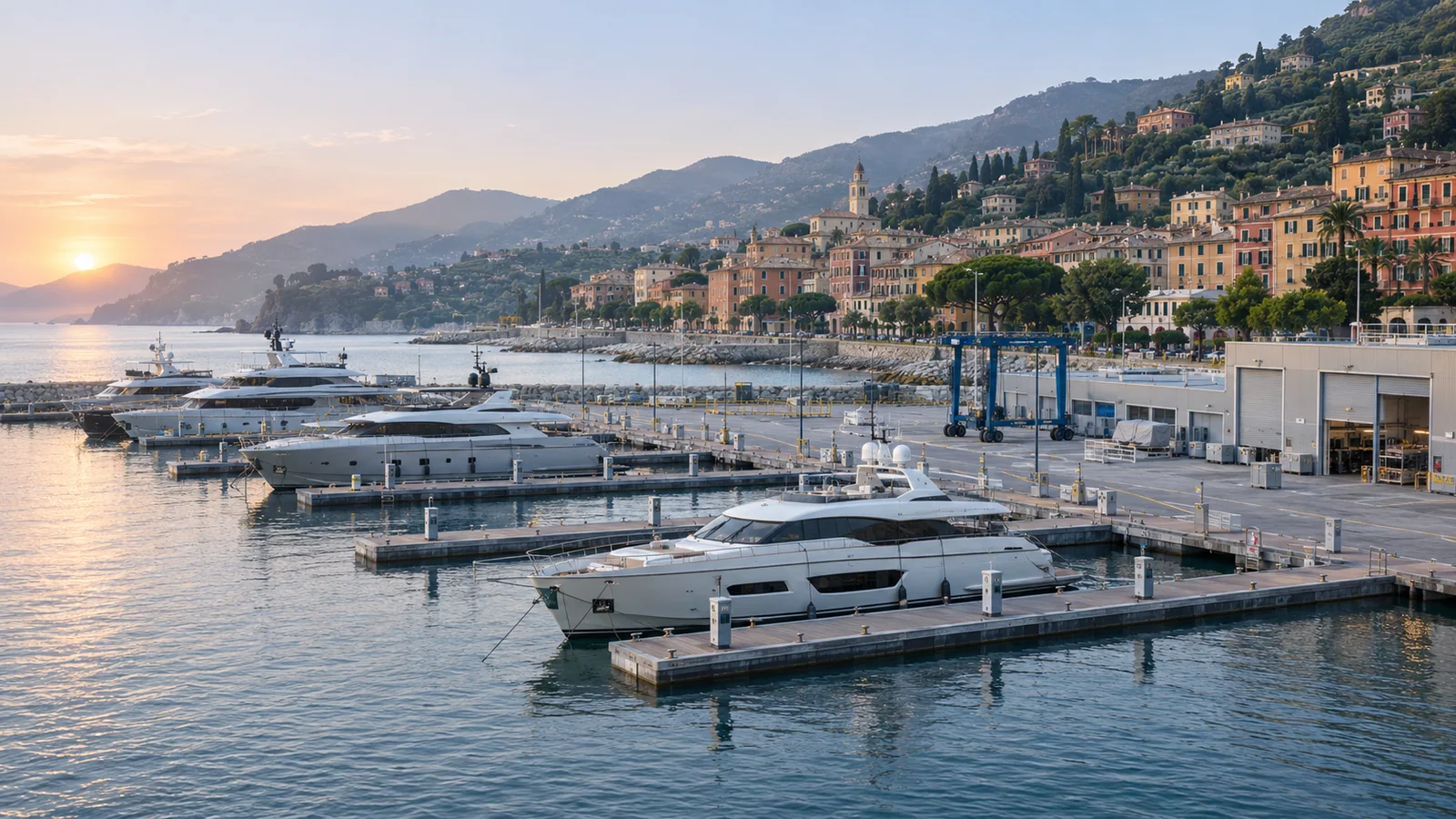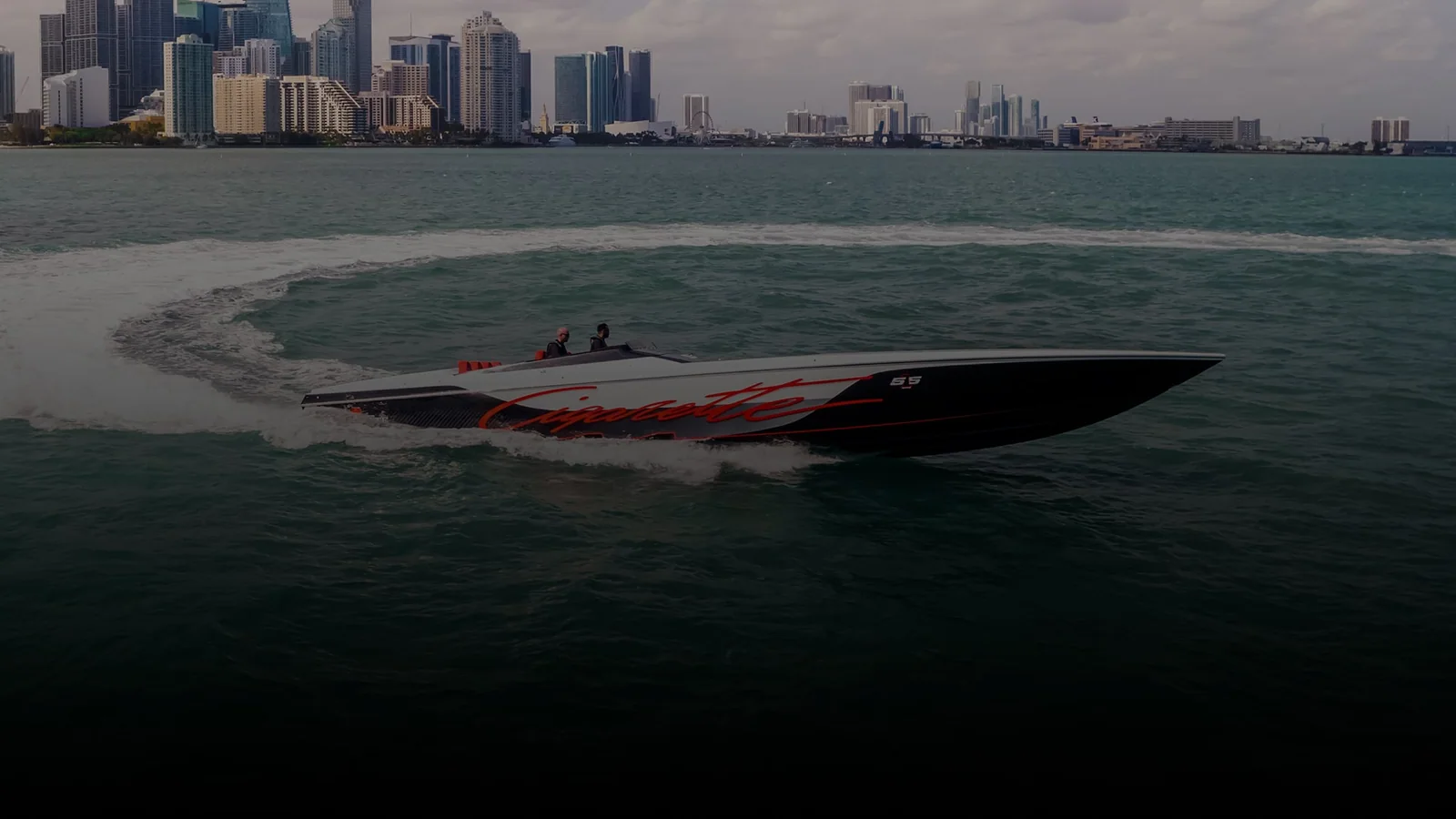
Cigarette Racing has not merely appointed another dealer. The American builder has signed an agreement with Malta’s Yacht Hub Group to establish Cigarette Racing Europe, an organisation charged with developing sales, service and owner relations across 70 countries in Europe and Africa. Headquartered in Malta, the project is meant to include authorised dealers, specialist service points, a pre-owned approval programme and the restoration of classic Cigarettes.
That sounds like expansion. For buyers, the more useful question is whether Cigarette is finally building support on this side of the Atlantic that can be as convincing as the boats themselves.
The ownership cycle, not merely the sale
Cigarette has one of the strongest names in performance boating. Founded in Miami by Don Aronow in 1969, the brand built its reputation on offshore racing, speed and unmistakable styling. Its current range spans narrow offshore machines such as the 42X and 515, as well as large luxury centre consoles including the 52 Thunder and 59 Tirranna.
In Europe, reputation alone does not solve the practical problem. A boat may be sold at a show, but its owner must then service it, source parts, administer warranty work, prepare it for the season and eventually sell it. For a product built in the United States, distance from the factory quickly becomes part of the ownership calculation.
This is why the most important part of the Yacht Hub agreement is not the figure of 70 countries. It is the promised specialist service network, owner support, classic restoration and approval programme for qualifying used boats. If those services are delivered, Cigarette can address one of the European buyer’s principal concerns: what happens after handover.
Why Malta makes sense
Yacht Hub Group is not starting from scratch. It operates from Portomaso Marina and Laguna Marina, covering sales, brokerage, charter, yacht management and after-sales work. Its group includes Sunseeker Malta, Bavaria Yachts Malta and a service business that also works on boats beyond the brands it represents.
Malta provides access to the central Mediterranean, an English-speaking business environment and an economy in which yacht support is a meaningful sector. It is a logical coordination base. One facility on the island, however, will not be enough for an owner moving between the Balearics, the Côte d’Azur, the Adriatic and Greece. The value of the project will depend on where additional service points appear and who is authorised to carry out warranty work.
Seventy countries describes the new company’s territory. It does not mean that Cigarette already has a functioning sales and service network in 70 countries.
That distinction matters. The announcement does not yet list dealers, service locations, investment figures or response-time standards. Nor does it say when the planned Malta facility and marina will be fully operational. The agreement sets a direction; execution will determine whether Cigarette has created European infrastructure or mainly a European name.
A superyacht tender strategy
The second pillar is the superyacht market. Cigarette Racing Europe plans to build relationships with brokers, shipyards and yacht-management companies, positioning Cigarettes as fast tenders styled around their motherships.
The idea is logical. A large-yacht owner increasingly expects more than a boat that transfers guests. A tender can be a product in its own right: fast, dramatic and sufficiently distinctive to use independently. Custom paint, upholstery and branding can connect it visually to the mothership, while Cigarette’s performance becomes part of the owner’s experience.
Yet the tender market is demanding. The boat must not only look right and run quickly. Weight, towing or transport, height, lifting points, range, certification, engine-service access and crew procedures all need to be resolved. Our report on the aluminium TYKUN XII supertender showed how specialised this category has become. Cigarette brings immediate brand recognition and performance, but it will need to match the integration standards of craft conceived from the outset for a particular superyacht.
The pre-owned programme may matter more than it sounds
The proposed approved status for qualifying used Cigarettes is not a minor marketing add-on. For a brand with a long history and a committed owner community, a structured secondary market can support residual values, improve documentation and bring older boats back into authorised service.
Used Cigarettes have an established market in the United States. In Europe, supply is more fragmented and service histories can be harder to verify. An approval programme will only carry weight if the badge represents a defined inspection, clear responsibility and published criteria. Otherwise, it is merely a sticker.
The same applies to restoring classic models. A properly executed refit can protect the brand’s history and provide another entry point for collectors. It also requires factory documentation, correct materials, original components and people who understand older offshore structures. Trust in this field is built one completed project at a time.
What a European buyer should ask
The new structure could materially improve the buying proposition, but buyers should distinguish future plans from services available now. Before signing an order, a European customer should ask five questions:
- Which company is the contracting seller, and who carries the EU warranty obligation?
- Where is the nearest authorised service point for the hull, systems and propulsion?
- What parts stock and in-season response time are being committed?
- Which transport, tax, certification and commissioning costs are included in the price?
- What exactly will the approved pre-owned programme cover?
These questions matter particularly for very high-powered boats. Cigarette’s published 515 specification offers twin Mercury Racing packages with up to 3,100hp combined, while the 52 Thunder can carry six 500R outboards. On boats of this kind, the service relationship is not an accessory to the product. It is part of it.
A sensible strategy — now comes the test
Cigarette is right to recognise that a European position cannot be built through appearances at the Monaco Yacht Show, Cannes, boot Düsseldorf or the Monaco Grand Prix alone. Shows can create a lead. Local support turns it into a long-term owner relationship.
The Malta partner has relevant experience across sales, marinas and service. The strongest part of the plan is its attempt to cover the boat’s full lifecycle: configuration and delivery, maintenance, resale and restoration. Its greatest risk is scale. Creating a consistent standard across two continents will be considerably harder than signing an agreement in Miami.
If Cigarette Racing Europe publishes dealer names, service locations, warranty arrangements and its first completed projects over the coming months, this will represent a meaningful return to Europe. For now, it is a strong declaration — and a project worth following precisely because it concerns not only the sale of a boat, but what happens to it over the years that follow.